It activates the Nrf2 signaling pathway, decreases MDA and cyclooxygenase-2 (COX-2) expression, increases GSH, GPX4, and SLC7A11, inhibits blood creatinine and urea nitrogen retention caused by renal ischemia-reperfusion injury, thus ameliorating renal pathology (189)
Specifically, l-carnitine treatment can reduce synovitis by inhibiting AMPK-ACC-CPT1 pathway activation and showed an increase in fatty acid -oxidation, a lower lipid accumulation, and a noticeable improvement in mitochondrial function
Growth hormone acts directly on adipose tissue through lipolytic pathways, breaking down stored triglycerides
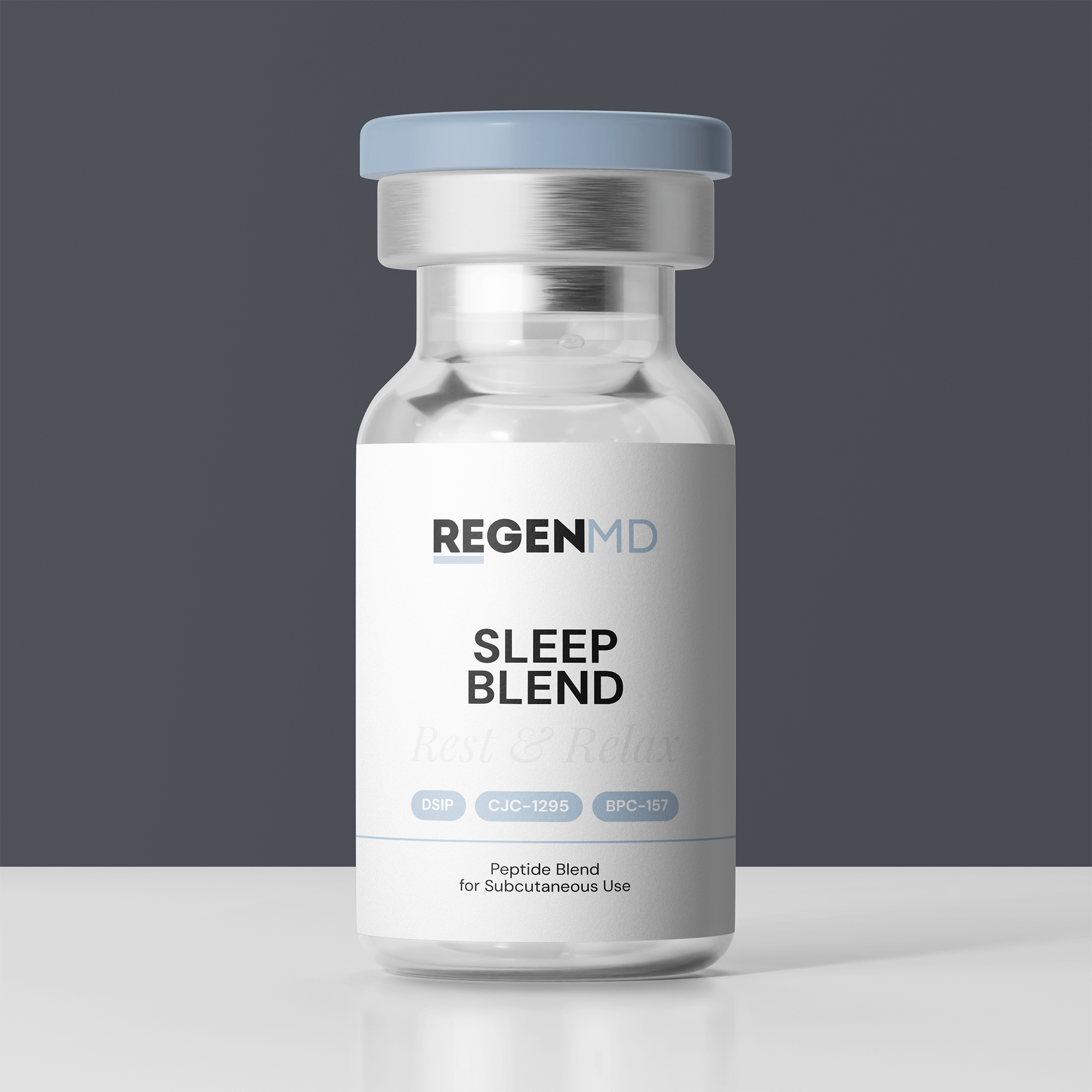
Understanding Plantar Fasciitis and Why It Persists What Is BPC-157 and How Does It Work The Science Behind Tissue Healing Why BPC-157 May Help Plantar Fasciitis Research Evidence and Clinical Findings Dosing Protocols for Foot and Heel Conditions Injection Techniques and Best Practices Expected Timeline for Results Combining BPC-157 with Other Treatments Safety Considerations and Side Effects Quality and Sourcing Considerations Lifestyle Factors That Support Healing When to Consider BPC-157 for Your Plantar Fasciitis Frequently Asked Questions Glossary of Terms References Understanding Plantar Fasciitis and Why It Persists Plantar fasciitis affects approximately 10% of the population at some point in their lives, making it one of the most common causes of heel pain