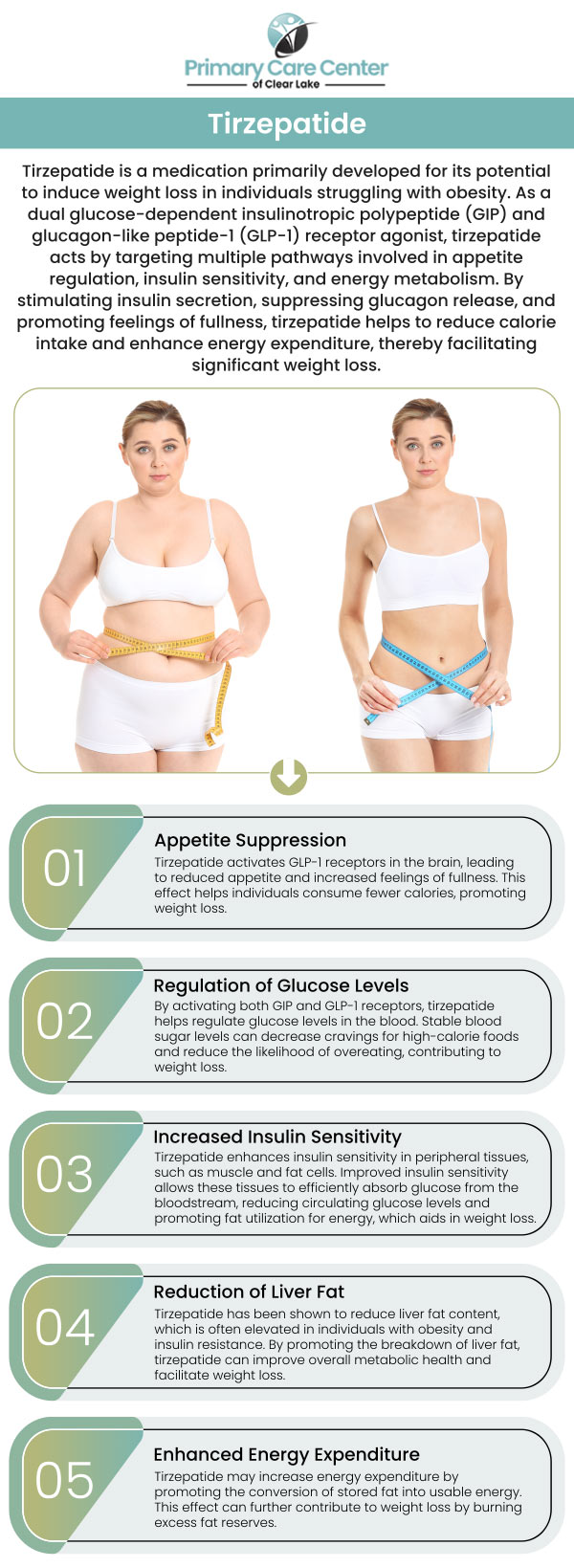
These medications slow digestion and make you feel full sooner, which often means eating less throughout the day

Before starting either medication , ensure your prescriber has a complete picture of your health: Full medication list : Include all prescription medicines, over-the-counter medications, herbal supplements, and vitamins Medical history : Particularly history of pancreatitis, gallbladder disease, thyroid disease, kidney disease, liver problems, bleeding disorders, bipolar disorder, or seizures Mental health status : Current symptoms, previous treatments, and any history of suicidal thoughts or self-harm Weight management goals and history : Previous weight loss attempts, eating patterns, and any history of eating disorders Risk factors for bleeding : Use of NSAIDs, anticoagulants, or antiplatelet medications Risk factors for hyponatraemia : Age, diuretic use, or previous episodes During treatment , maintain regular contact with your healthcare team: Report all side effects , even if they seem minorpatterns may emerge that require intervention Discuss any difficulty adhering to treatment , whether due to side effects, practical challenges, or cost concerns Monitor your mental health closely , particularly in the first few weeks of starting or changing sertraline doses Track your weight loss progress and discuss whether results meet expectations Report any new medications prescribed by other healthcare providers NICE guidance (TA875) specifies that Wegovy is recommended for NHS use only when prescribed within specialist weight management services, with specific eligibility criteria including a BMI of at least 35 kg/m (or 30 kg/m with weight-related comorbidities) and commitment to a reduced-calorie diet and increased physical activity

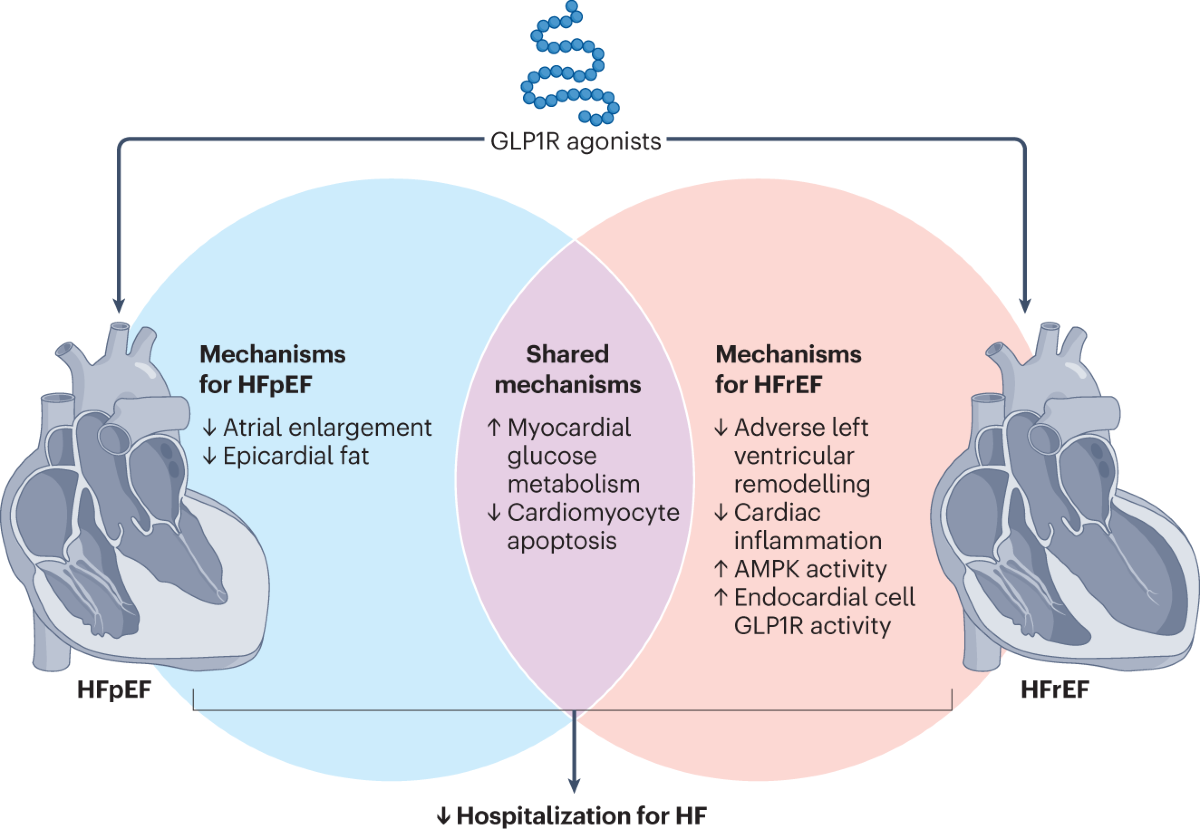
In response to eating, increased levels of GLP-1 stimulate insulin secretion and inhibit glucagon release leading to lower blood glucose levels
These changes were associated with marked and sustainable boosts in fatty acid oxidation, with suggested increases of up to 216% in murine models of obesity