However, they may have a moderate degree of skeletal muscular dysfunction.[20] Similarly to PCD, hypoketotic hypoglycemia is highly suggestive for mitochondrial fatty acid oxidation (FAO) disorders (e.g., very long-chain acyl-CoA dehydrogenase or VLCAD, medium-chain acyl-CoA dehydrogenase or MCAD, etc.), or disorders of a defective mitochondrial carnitine-acylcarnitine cycle or simply referred to as disorders of carnitine shuttle (due to defects in enzymes, CPT-I, or CPT-II or CACT).[6][15] In most of the aforementioned SCD disorders with impaired fatty acid oxidation, the accumulation of acylcarnitine esters occurs.[5] These excessive acylcarnitines can inhibit carnitine reabsorption in the kidneys and are subsequently excreted in the urine resulting in SCD.[6][5] The accumulating acyl-carnitine in cardiac tissue can also induce damage.[6] The clinical manifestations of FAO defects and carnitine shuttle disorders are heterogeneous and can be vague.[15] Similar to PCD, the most common manifestations include hypoketotic hypoglycemia, myopathies of both skeletal and cardiac muscles.[3][15][21][22] Most often, the manifestations are precipitated or worsened by either fasting or intercurrent illnesses.[15] The resulting metabolic abnormalities can be evaluated by the plasma acylcarnitine profile.[5][15] Diagnostic confirmation is by molecular testing methods and/or functional assays of the respective deficient enzyme.[15] Management includes prevention of fasting, frequent feeding, and providing nocturnal corn starch.[3][21] Diet therapy should focus on high carbohydrates and medium-chain triglycerides (which do not require carnitine shuttle) and low in long-chain fatty acids.[21] Management with L-carnitine is controversial in FAO disorders.[23] Carnitine is also important in binding acyl residues derived from the intermediary metabolism of amino acids.[6] In disorders of organic acidemias (e.g., isovaleric acidemias, propionic acidemias, methylmalonic acidemias), SCD results from binding of the excessive acyl-CoA intermediate products.[6] It is also noteworthy to mention here that the defects in endogenous carnitine biosynthesis usually do not lower plasma carnitine levels as the plasma carnitine level can be maintained by efficient renal reabsorption
Formulated with natural fiber and Vitamin C, which aid digestion and help lower LDL cholesterol in the body while strengthening the bodys immune system
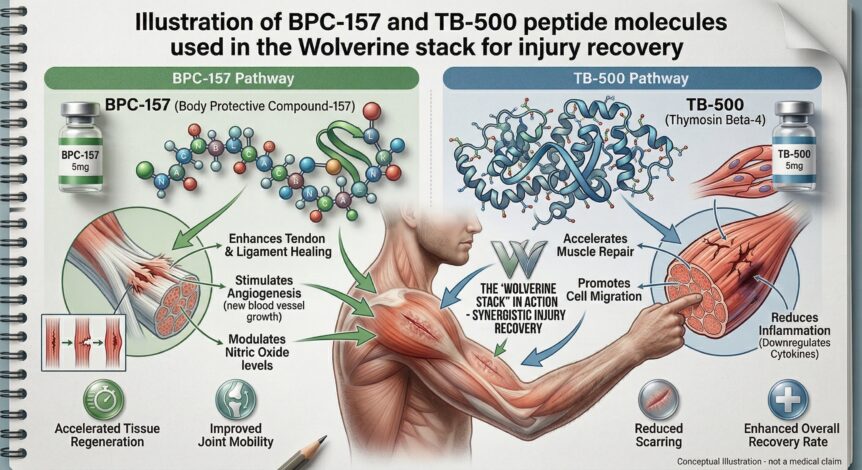
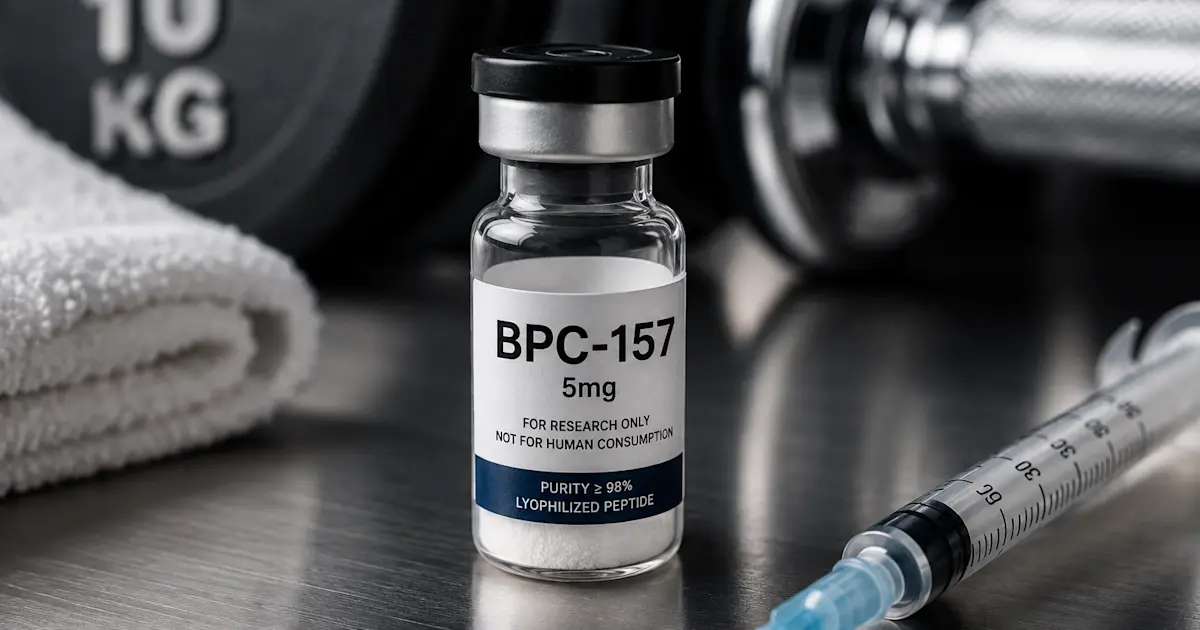
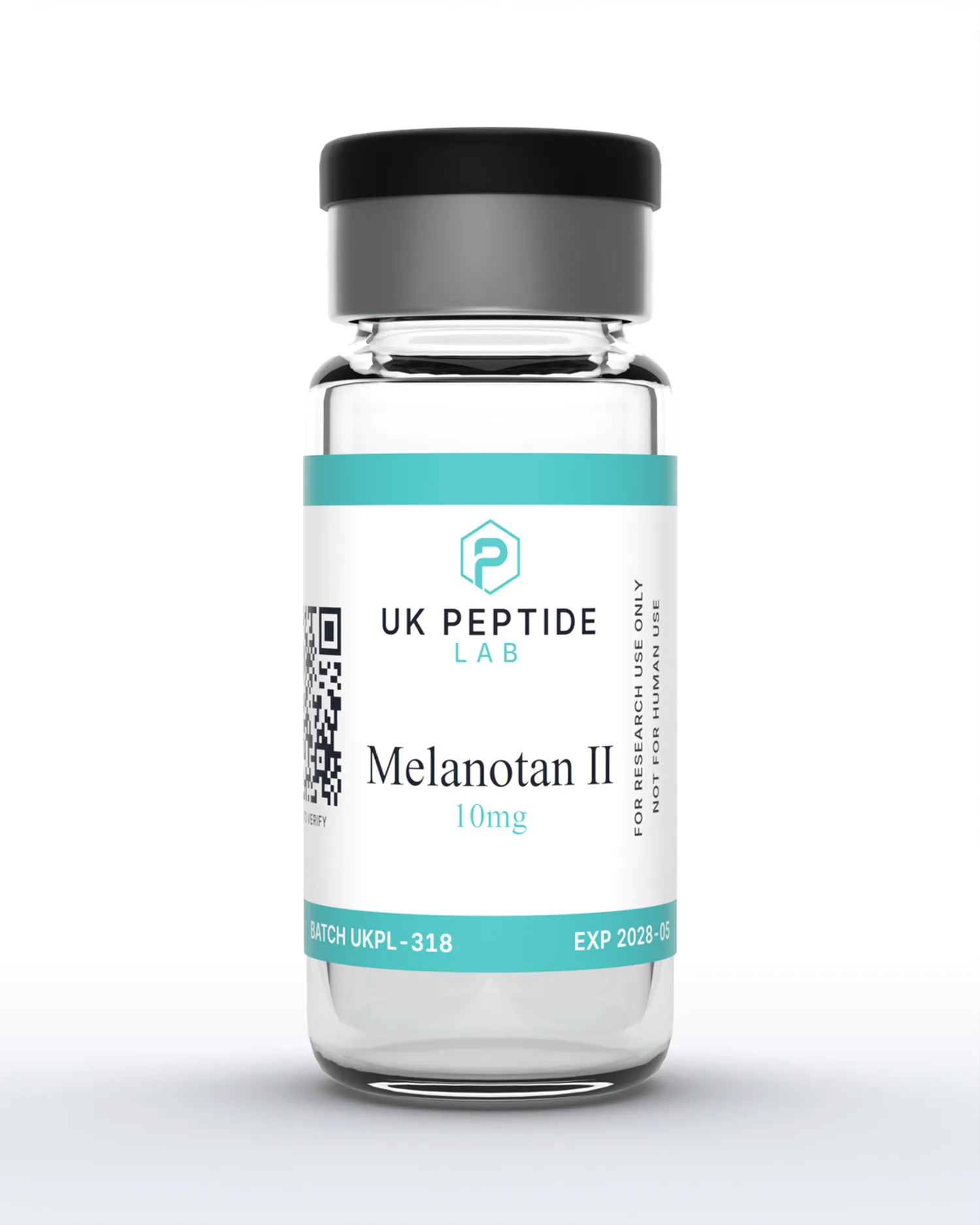
Let's explore each of these peptides, their traditional uses, and how the new Category 2 classification will impact their availability
Using intravenous or oral liposomal glutathione can help replenish levels and support detox pathways